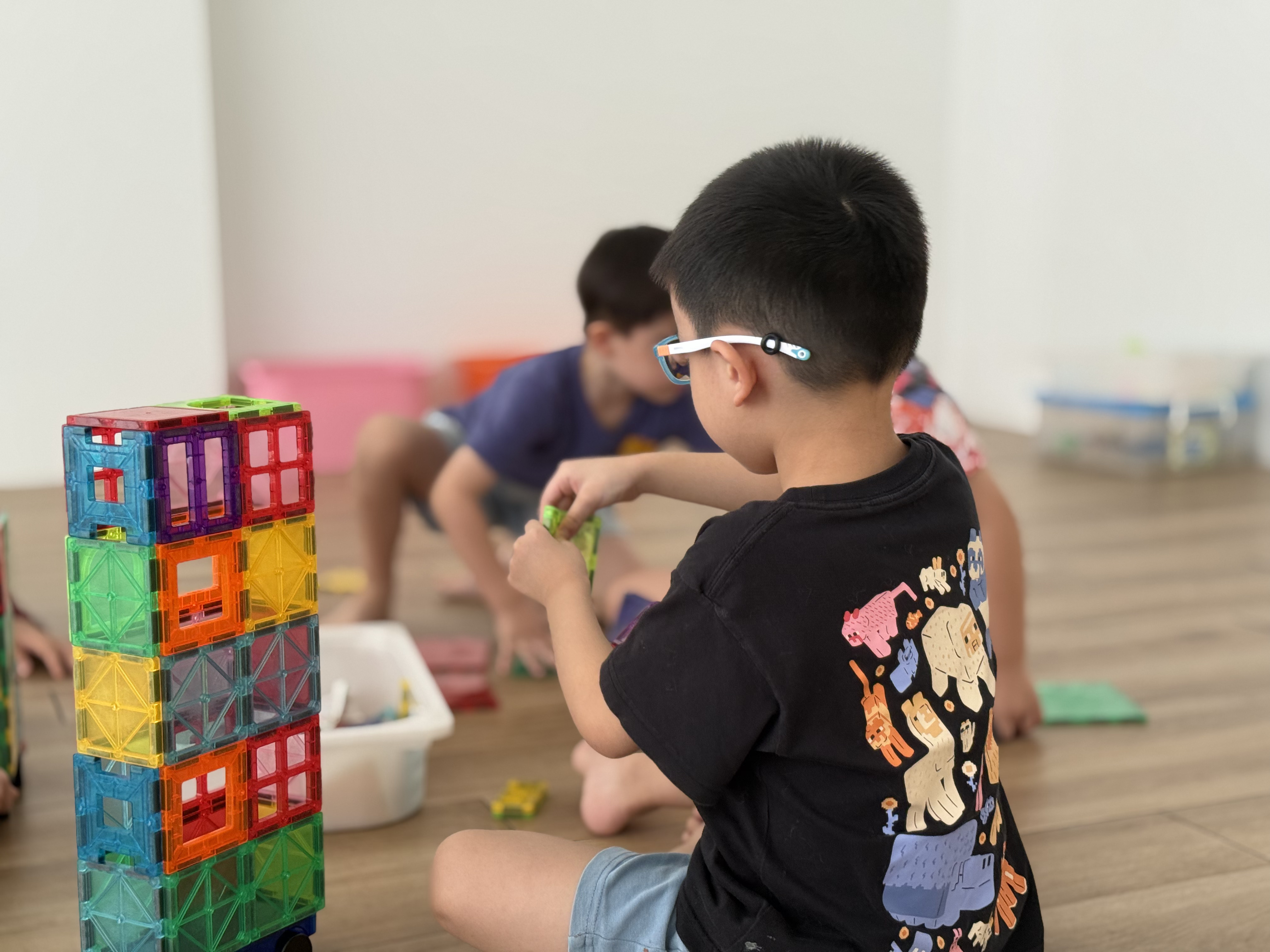
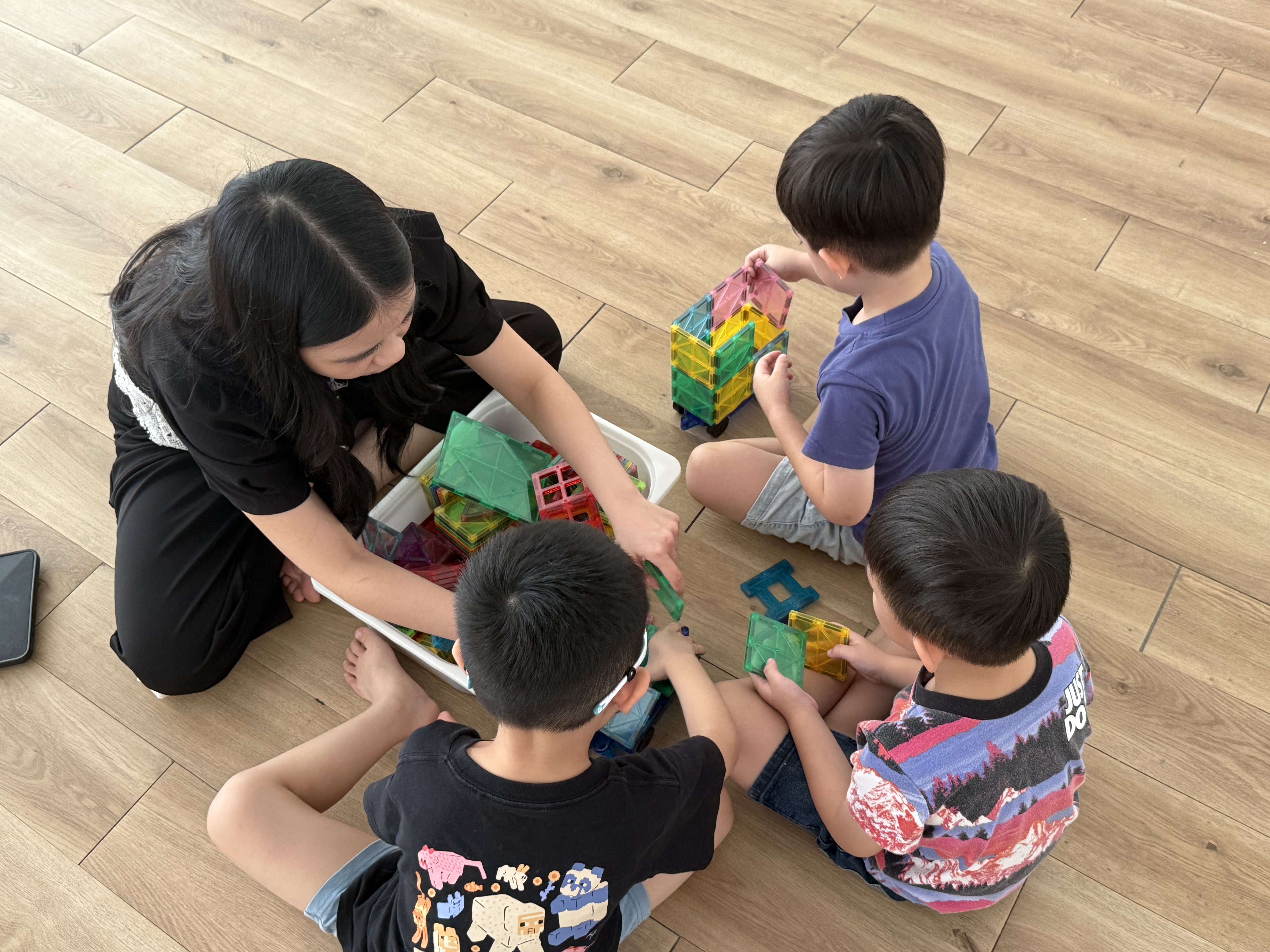
Focus. Emotions. Speaking up. Planning. Independence. School expects these and rarely teaches them. We do — in small weekend clubs, one to one, or starting with a full assessment.
"My son attended Early Intervention here and has made great progress. He's happy to study here, and the teacher is very patient."
"My kid was sensitive and found it hard to concentrate. After finishing Ready for School, he became calmer, better at controlling his emotions, and more focused."
"It trains him in problem solving, which is important for school readiness. The teachers are approachable, and I'd recommend this program to any parent."
"Everything counts, and every session he learns new concepts/ideas and meaningful life lessons that will benefit him (and us as parents) for all of life."
Can't seem to focus?
Experiences big emotions?
Needs constant reminders?
Struggles with studying?
Has difficulty making friends?
Isn't quite ready for school?
A place where your child finds their confidence in learning again.
Memory · Reasoning · Problem-solving · Flexible thinking
Focus · Planning · Organisation · Time management · Self-control
Study techniques · Revision strategies · Note-taking · Homework routines · Breaking down tasks
Managing frustration · Coping with mistakes · Handling stress · Persistence
Expressing ideas · Asking for help · Teamwork · Friendship skills
Taking initiative · Completing tasks · Self-advocacy · Independent learning
Teaches children what to learn.
Content, syllabus, practice papers. Useful — and plenty of children need it.
Teaches children how to learn better.
Understand first
Understand how your child learns, with a clear written report and next steps.
3–4 weeks · from RM 2,200Kindergarten · Primary
More than ABCs and 123s. Emotional, social and independence skills for the next step.
Mornings · small groupsBrain Booster · Friendship Club
Strengthen the thinking skills behind learning, or build friendship and social skills. Small weekend groups.
4 weeks · 1.5 hrs · RM 399EIP
Small-group support for younger children, supervised by an educational psychologist.
From RM 2,400 a monthIEP · one to one
One-to-one support built around your child's needs, not a fixed programme.
RM 200 a sessionWe look at how your child learns before we decide what helps.
Support is based on your child's needs, not a fixed programme.
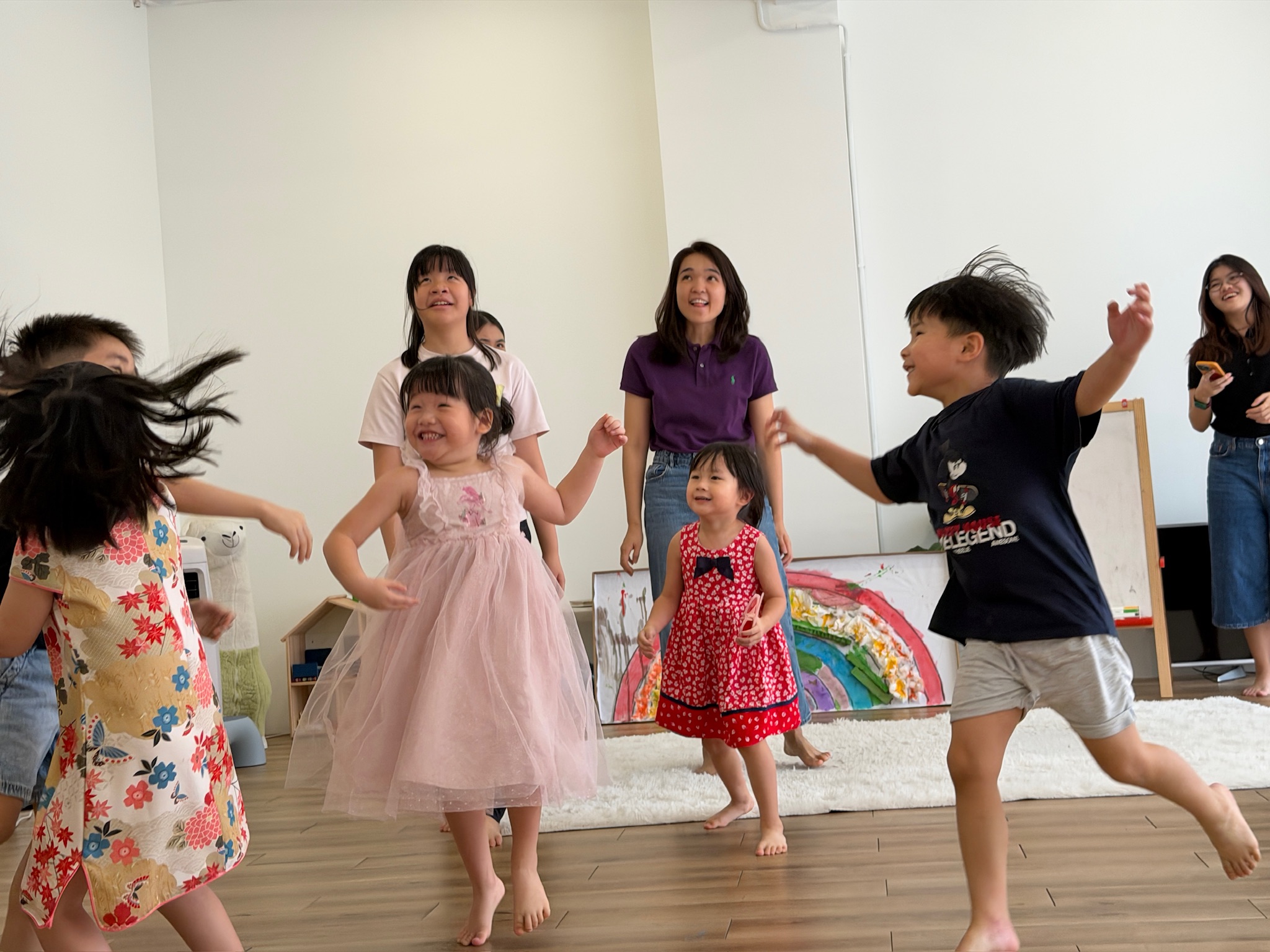
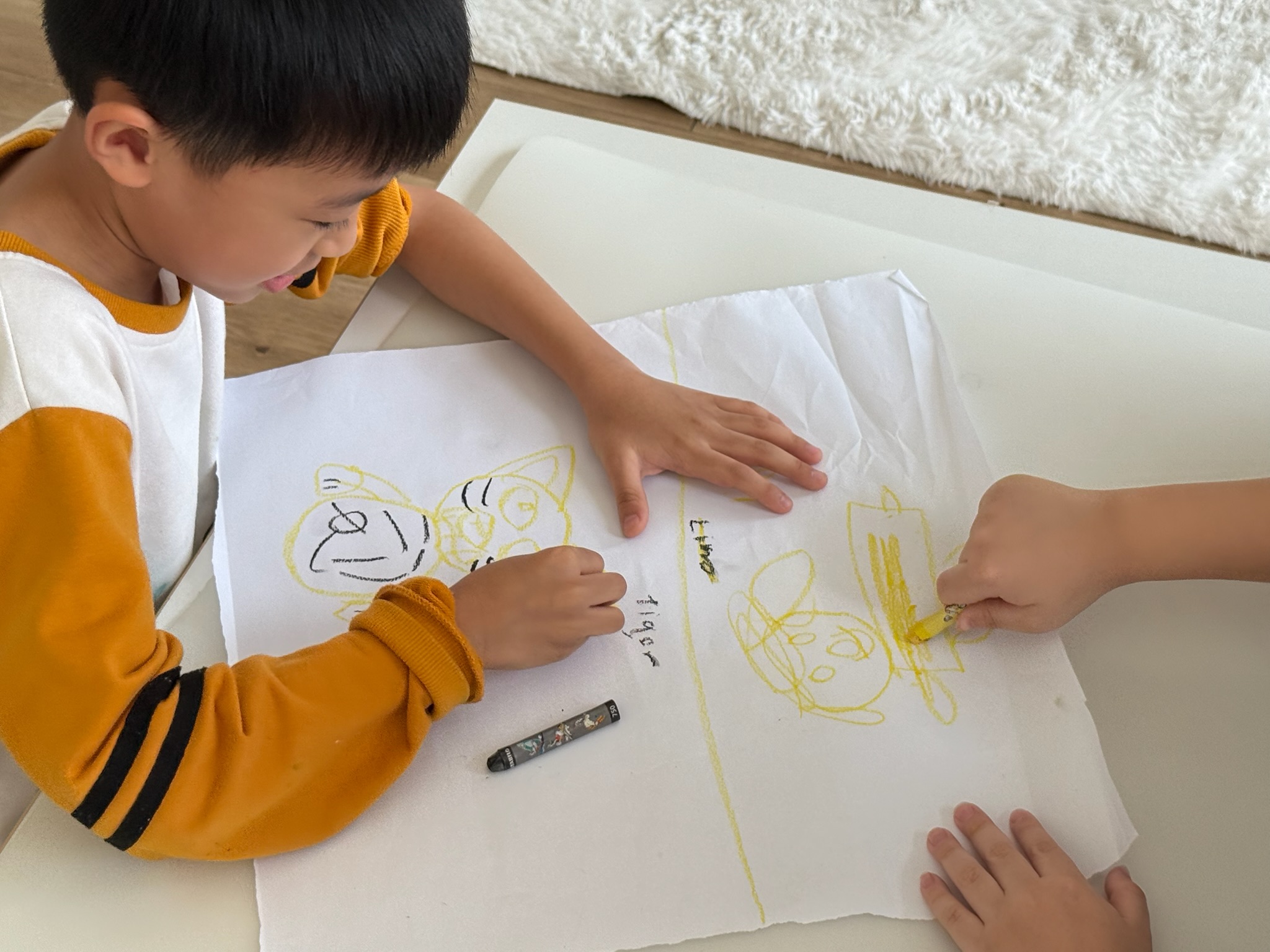
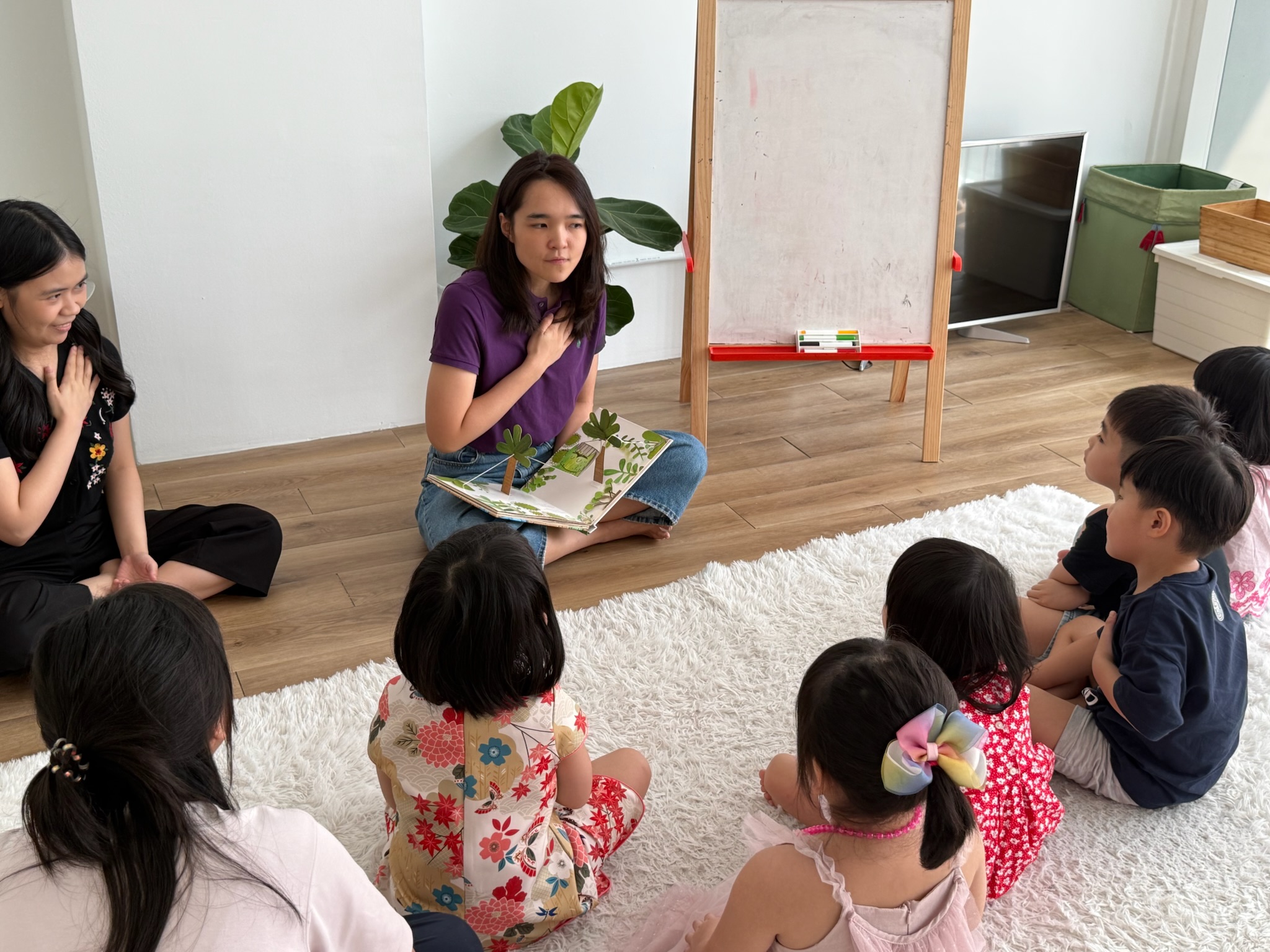
Hands-on, play-based and practical. Children learn it by doing it.
We work towards learning that transfers to home and school.
Xue Min has trained teachers, facilitated children's workshops and worked as an assessor in Selangor's multidisciplinary PROSPER screening programme. See her work →
Workshops, messy play and holiday programmes. Same play-with-a-plan approach, out of the usual routine.
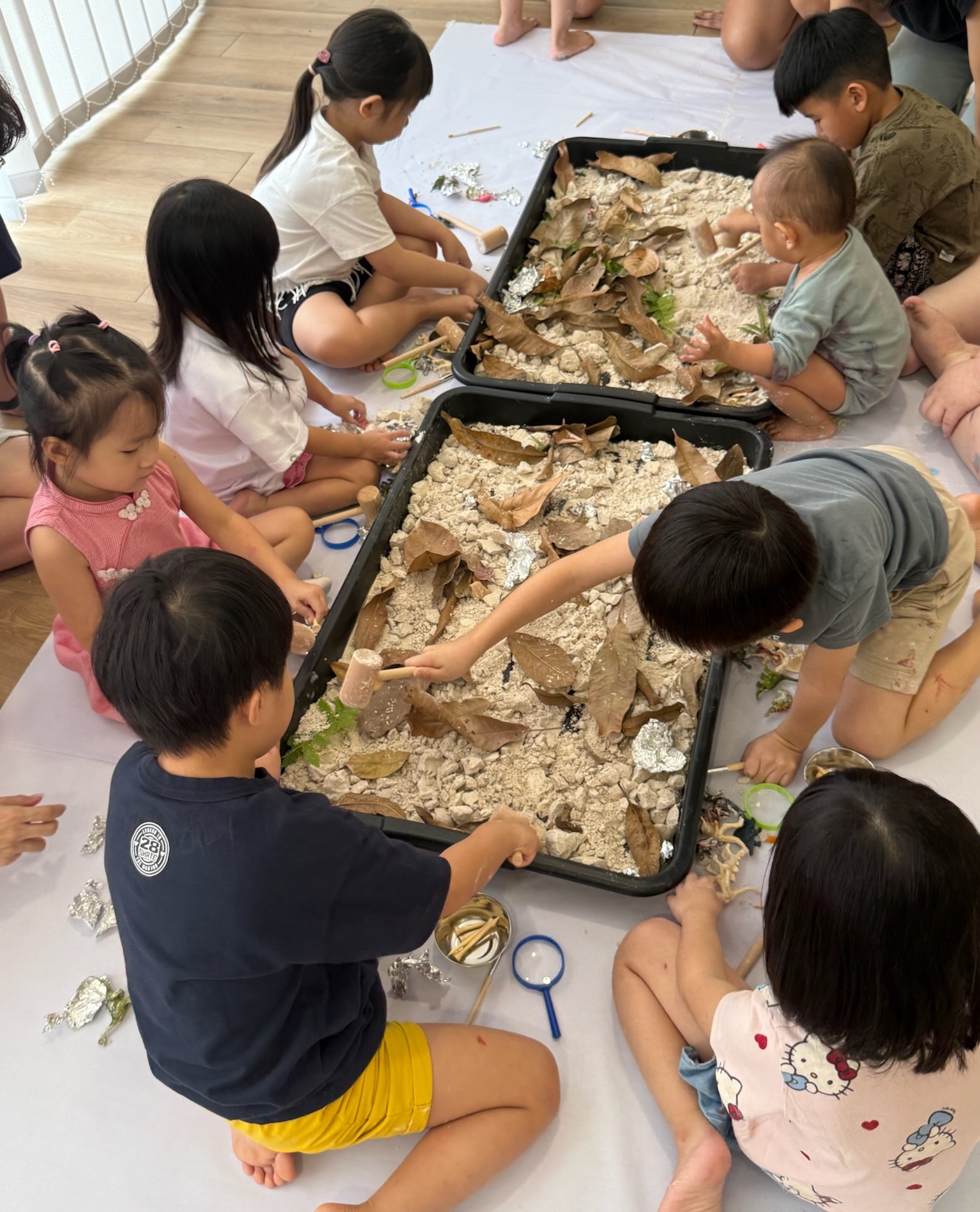
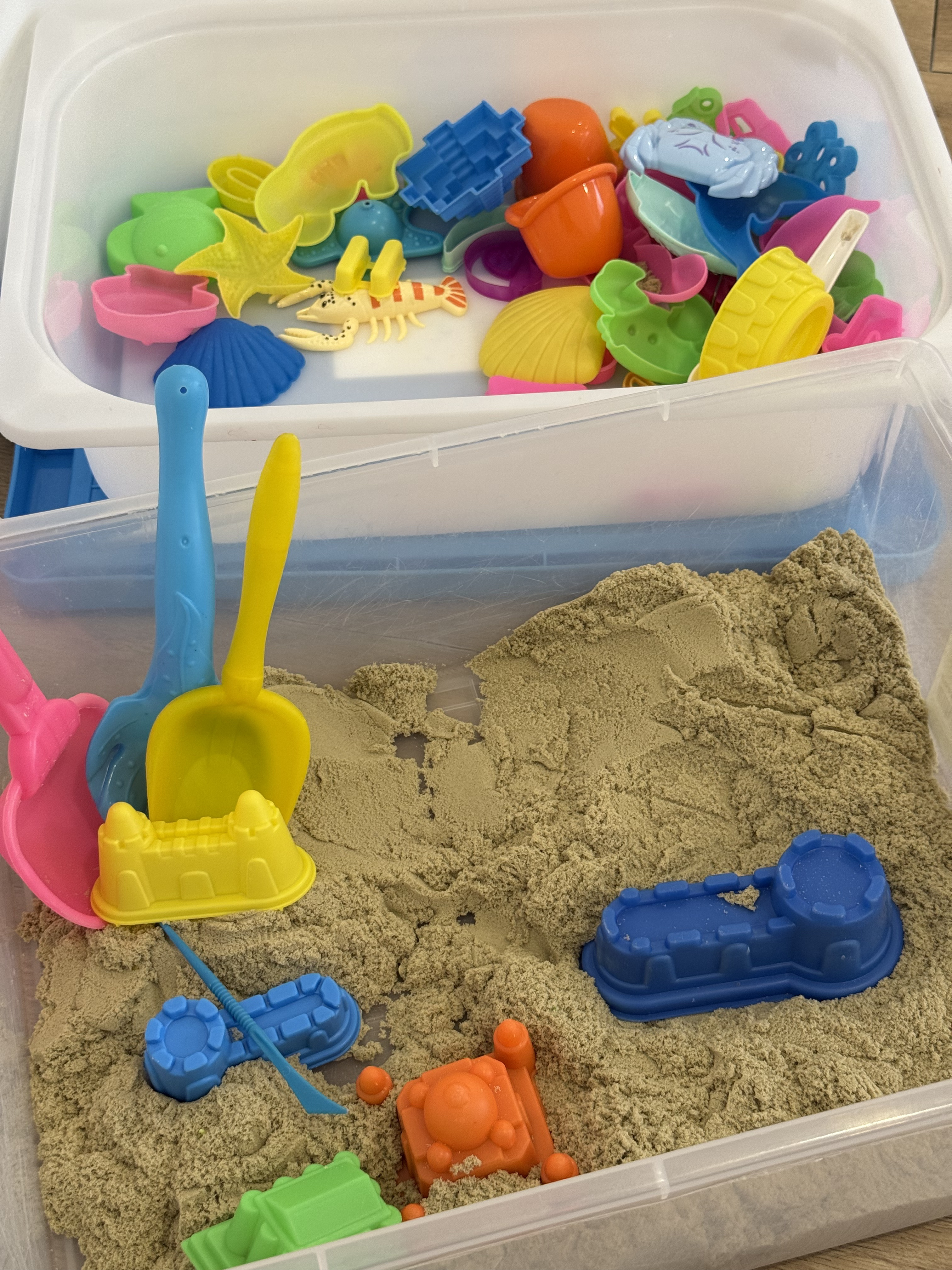
Paint, foam, water and mud. Hands-on sensory play with a skill hidden in every mess, and nobody worrying about the mess.
Ask about dates & bookingLearn alongside your child. Try the activities together, see why they work, and take home ideas for the kitchen table.
Ask about dates & bookingDays of building, making and team challenges when school's out. More of the play you love, with a plan behind every day.
Ask about dates & bookingBe first to hear about new dates and holiday spots.
Get updates on WhatsApp →Tell us your child's age, what you're noticing, and what you'd like help with. We'll tell you honestly which programme fits — including if the answer is none of them.
Confident. Capable. Independent learners.