Neurodivergent children — ADHD, autism
A child whose difficulty is specific, and needs targeting rather than a general programme
A child who isn't ready for a group, or would find one overwhelming
A child with a diagnosis, whose family has a label and no plan
A child who has tried a group and needs something different first
A child who's coping at school, but only just
Every plan is different, because it's built from your child. The areas we work in:
Noticing a feeling before it takes over, coming back down, and tolerating not getting what you want.
Holding instructions, planning, starting, organising, finishing, and catching your own mistakes.
Saying what you need, asking for help, and explaining instead of exploding.
Reading a situation, understanding what someone else is thinking, and repairing something you've broken.
And what's driving it. We work on the cause rather than managing the surface.
How to approach a task you think you'll fail at, and what to do when you're stuck.
We start from an assessment, not a hunchIf your child already has a Learning Profile with us, we start there. If not, we'll usually recommend one first — a term of well-aimed work beats two terms of guessing. If you've had an assessment elsewhere, bring it; we can often work from that.
We agree goals with youThree or four, written down, specific enough that you'd know if they'd happened. “Can ask an adult for help without being prompted” — not “improved confidence”.
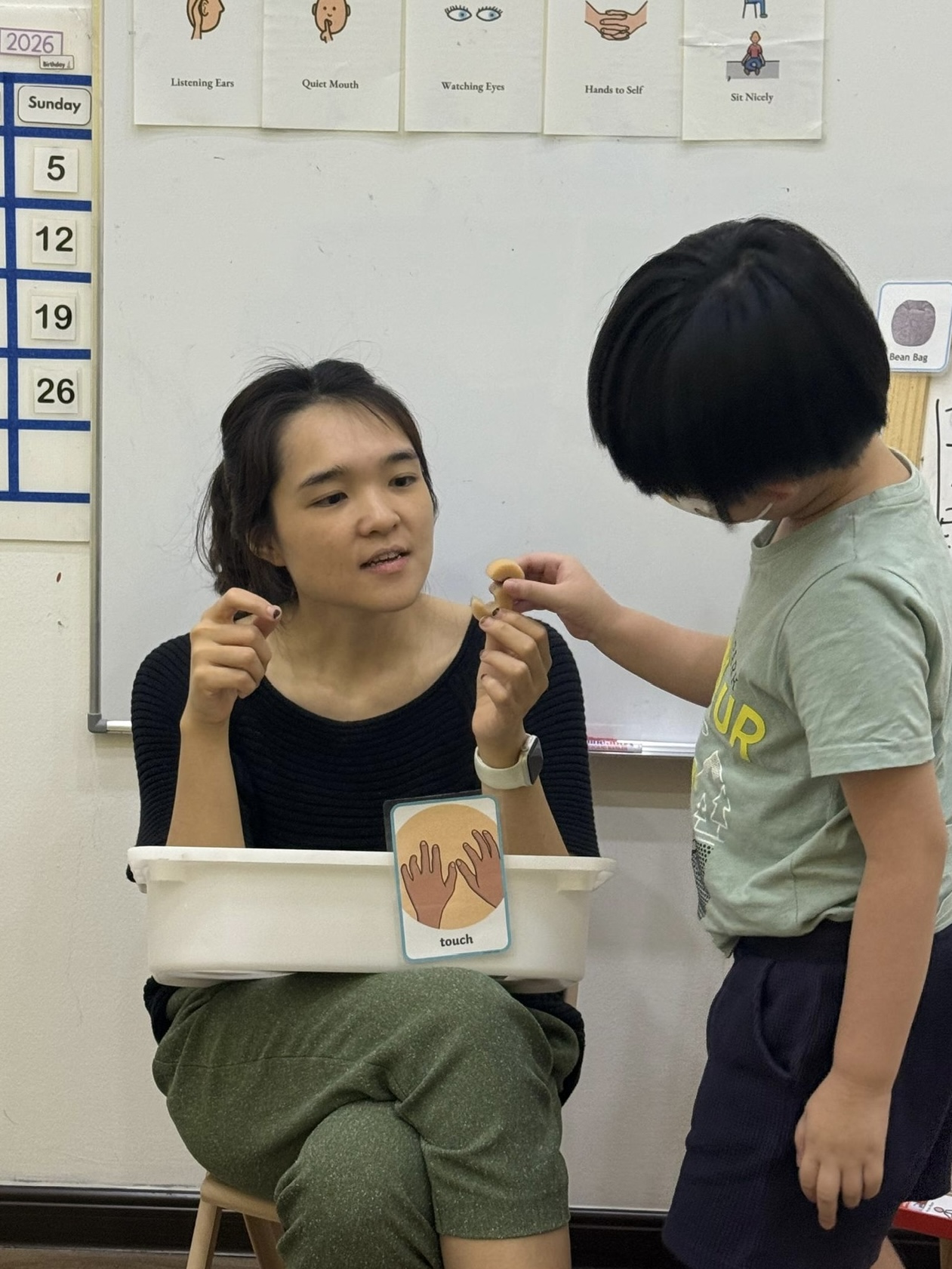
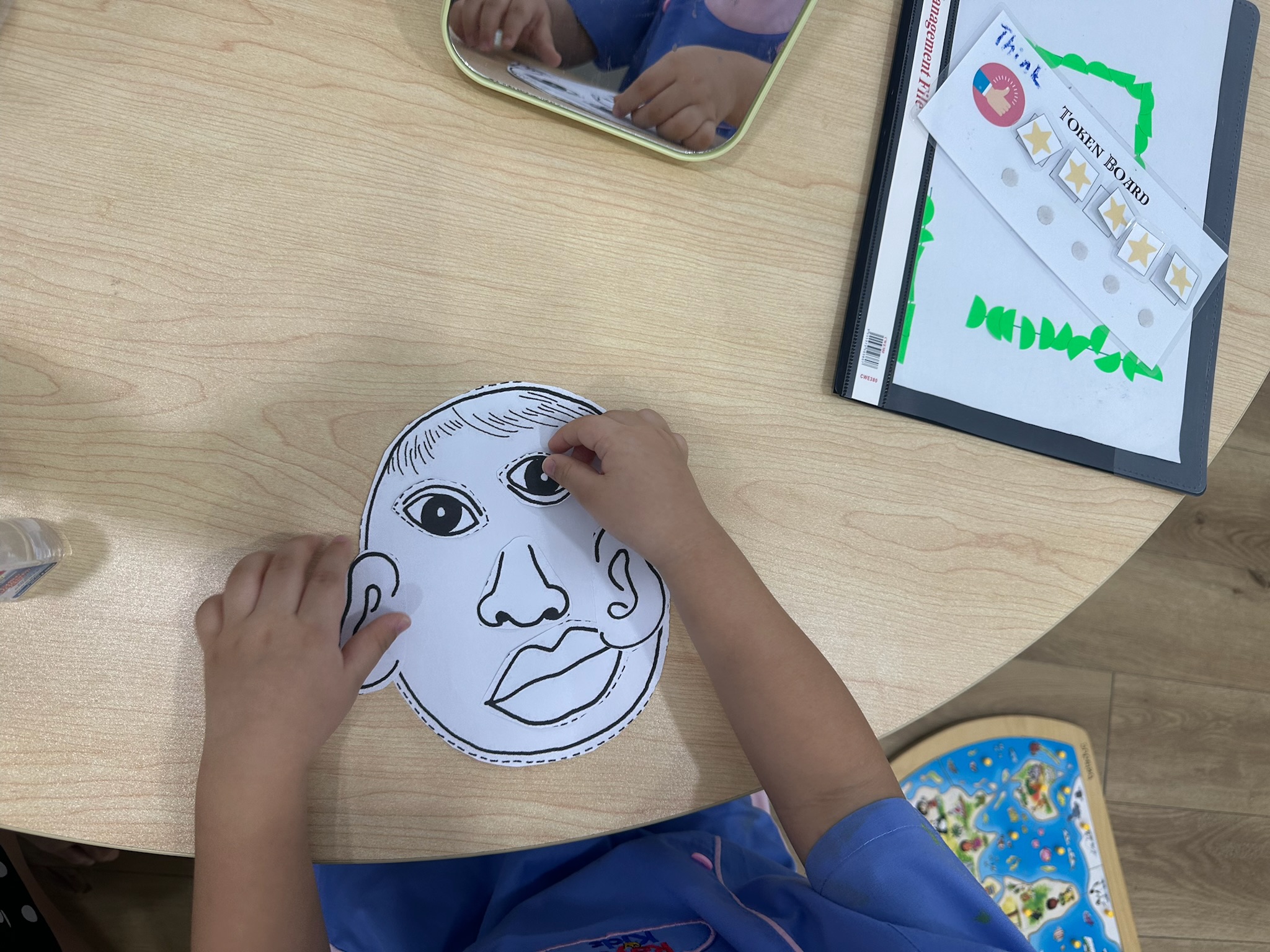
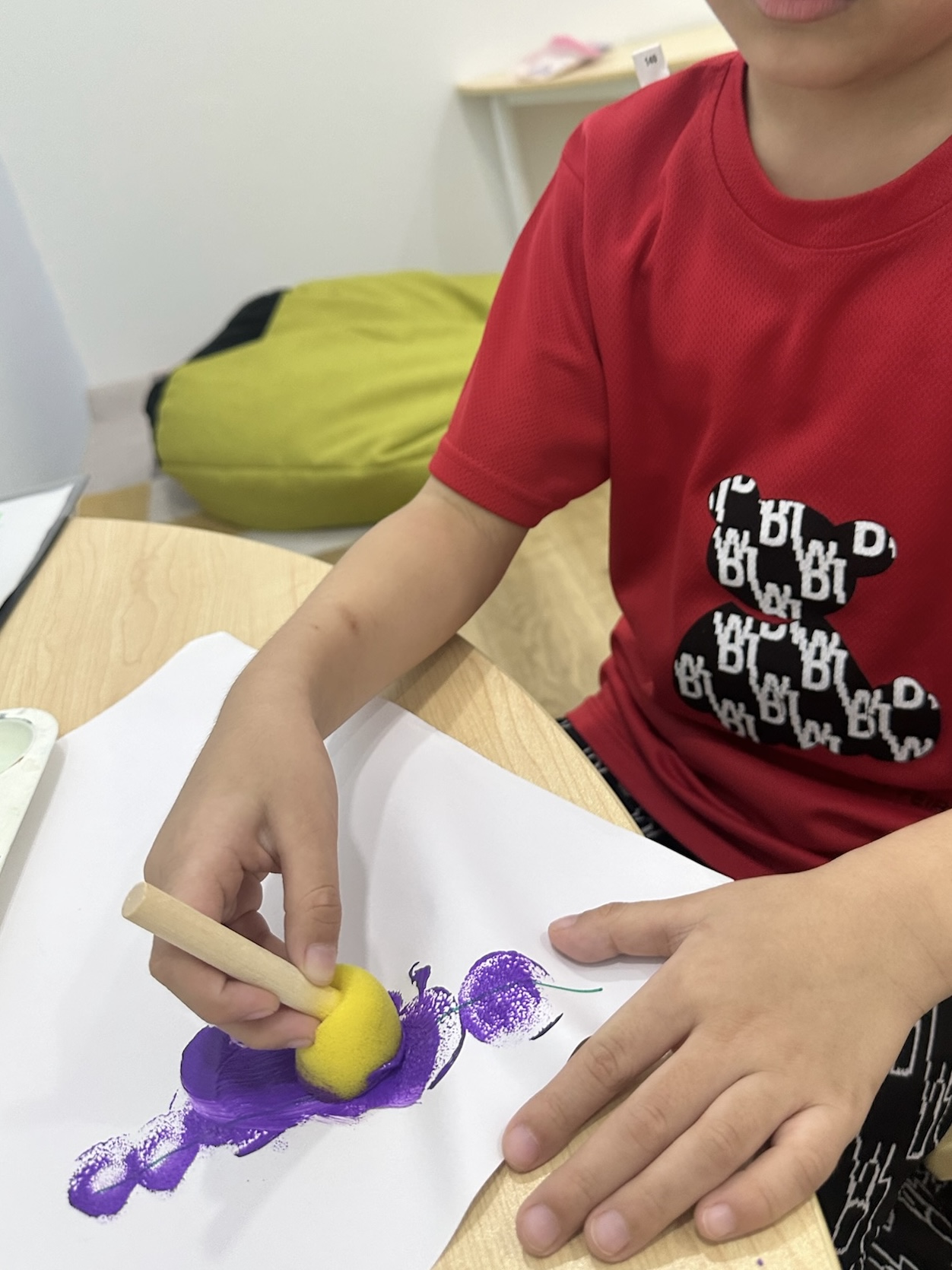
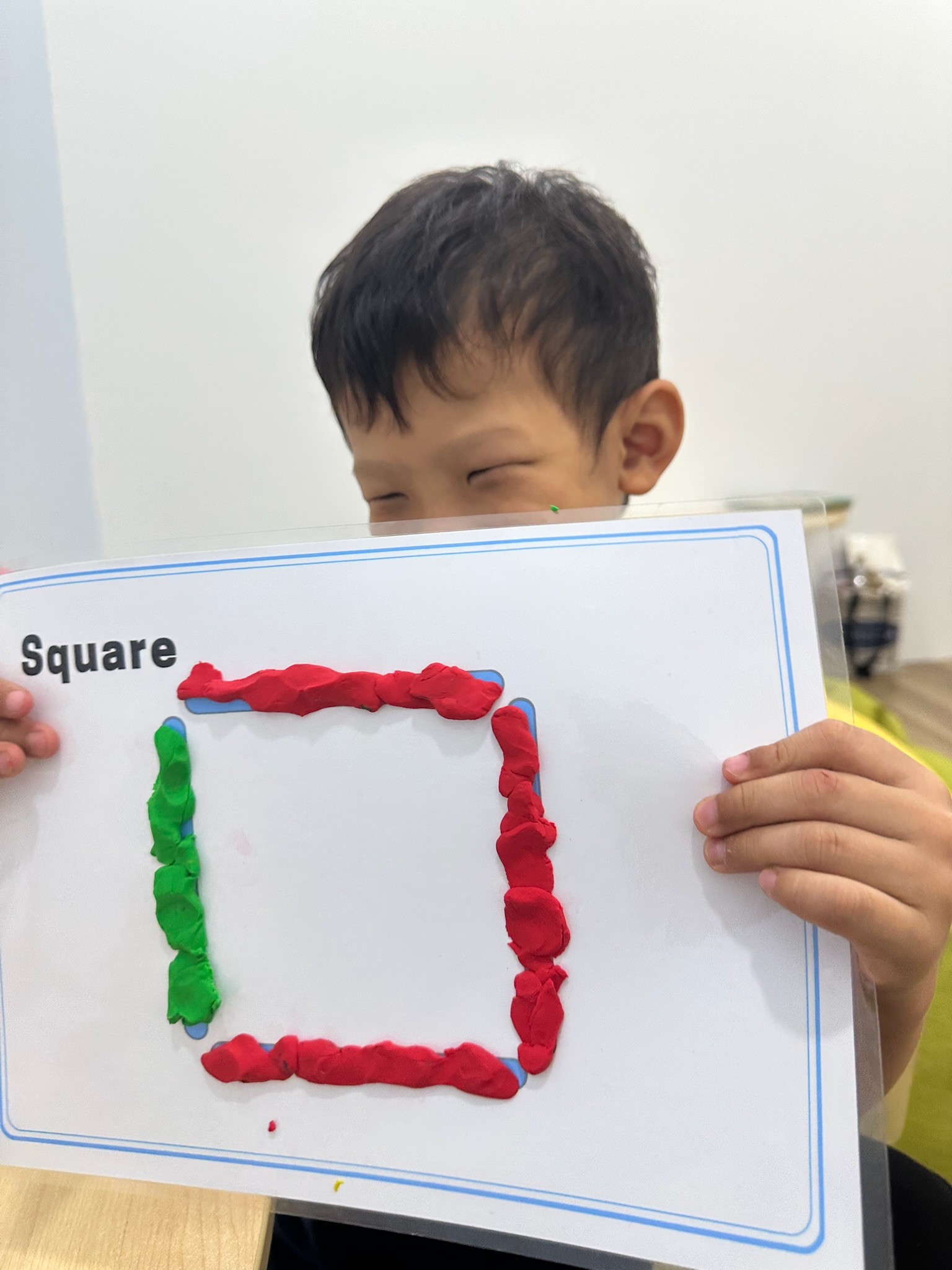
SessionsTo your child it looks like games, building, drawing and talking. That's deliberate — a child who feels tested performs like a child who feels tested.45–60 minutes, weekly
Reviews that mean somethingA short review with you every 4–6 sessions: what we're seeing, what's moved, what hasn't. If something isn't working, we'll say so and change it. You should never be six months in and unsure whether it's helping.
We work with school, with your permissionThe most useful conversation we have is often the one with the class teacher.
We aim to finishThis isn't meant to be forever. When the goals are met we'll say so — and often the right next step is a weekend group, where the skills get practised with other children rather than with an adult.
RM 200 a session
45–60 minutes, weekly. Everything confirmed before you commit to anything.
The plan works best when it's built from one, so it's usually where we start. If you've had an assessment elsewhere, bring it and we'll often be able to work from that. Either way, we'll talk it through with you on the call and figure out the right starting point together.
No. A tutor teaches content — maths, English, a syllabus. We work on the skills underneath it: attention, memory, planning, regulation, confidence. Some children need both, and we'll say so if we think yours does.
No. We're not a mental health service. If your child needs one, we'll help you find it.
Normally three to six months, once a week — but it really depends on the child. Every child's starting point and pace is different, and we'd rather give you an honest range than a number that doesn't hold up.
An educational therapist, supervised by our educational psychologist. Your child sees the same person each session, and that work is overseen rather than left to one individual's judgement alone.
Tell us your child's age, what you're noticing, and what you'd like help with. We'll tell you honestly which programme fits — including if the answer is none of them.
Confident. Capable. Independent learners.